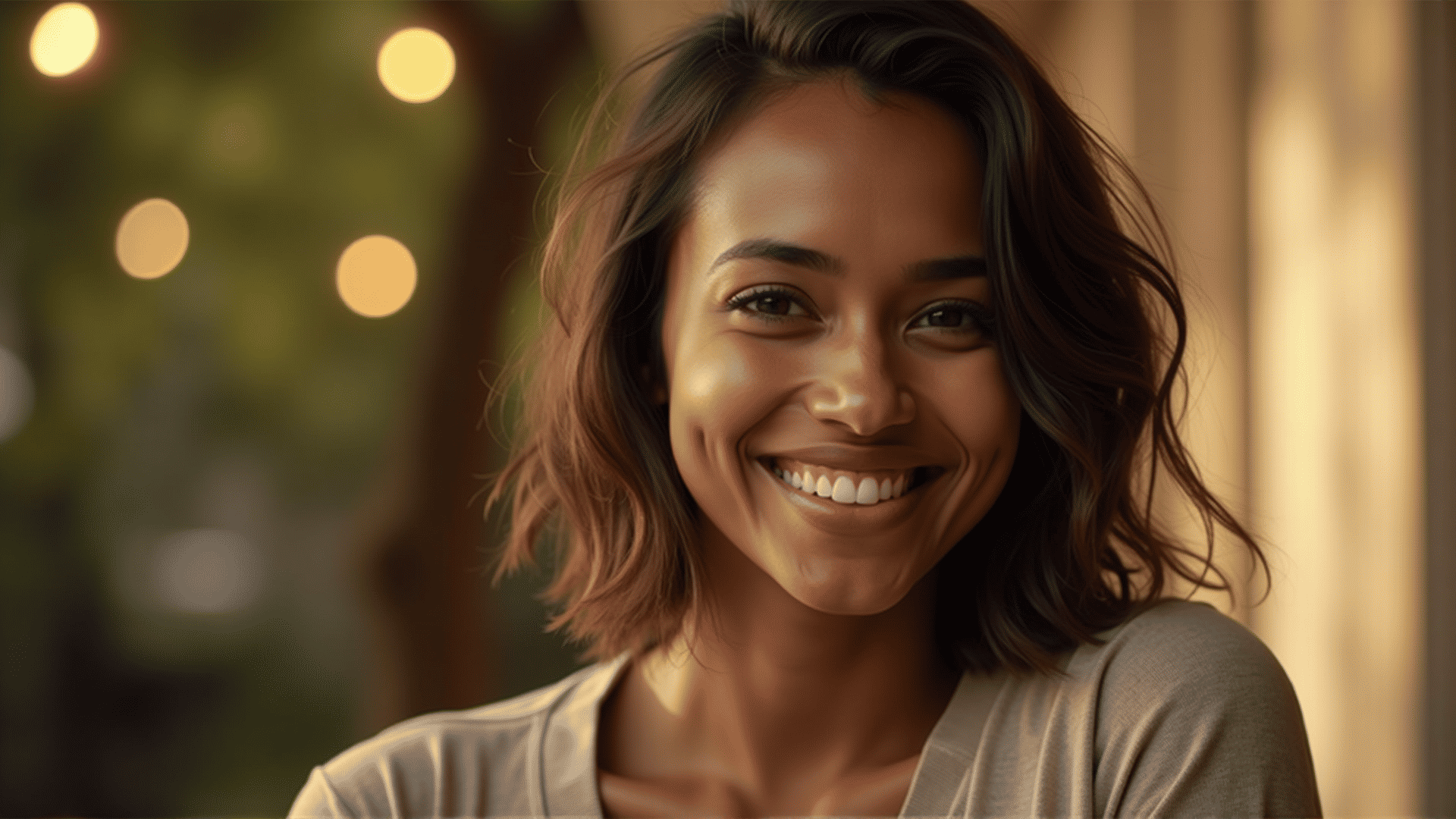
In the world of photography, capturing the essence of a person in a portrait is a challenging yet rewarding endeavor. Whether you're aiming to seize fleeting emotions or create a timeless representation of your subject, mastering the art of portrait photography requires skill, patience, and creativity. Drawing insights from seasoned professionals, we delve into key techniques that can enhance your portrait photography, touching on aspects such as lighting, composition, and connecting with your subject.
Understanding Lighting
Lighting is arguably the cornerstone of excellent portrait photography. It shapes the subject, highlights details, and sets the mood of the image. Experts often recommend natural light for its soft and flattering qualities, especially during the golden hour — the time shortly after sunrise or before sunset. When using artificial lighting, consider the direction, intensity, and color temperature. Softboxes and reflectors can be invaluable tools, allowing you to manipulate light to emphasize your subject's best features.
Perfecting Posing
The way a subject is posed can significantly influence the outcome of a portrait. Guiding your subject into natural, relaxed poses can bring out genuine expressions, making the portrait more authentic. Encourage them to move subtly between shots, as small shifts in posture can lead to more dynamic and engaging images. Pay attention to the eyes, as they are the focal point in most portraits. Engaging the subject in conversation can help them relax, resulting in more candid and meaningful expressions.
Capturing Emotions
An exceptional portrait goes beyond a mere likeness and captures the emotion and personality of the subject. Achieving this involves building a rapport with the person you are photographing. Take time to get to know your subject, making them feel comfortable and valued. Encourage them to share stories or memories that evoke the emotions you hope to capture. Remember, a portrait is as much about the interaction between photographer and subject as it is about technical skill.
Composing the Shot
Thoughtful composition can greatly enhance the impact of your portrait. Consider the rule of thirds, where the subject is placed off-center to create a more balanced and interesting image. Pay attention to the background, ensuring it complements rather than distracts from the subject. Using a shallow depth of field can help blur the background, drawing focus to the subject. Experiment with angles and perspectives — sometimes stepping outside conventional approaches offers a fresh and captivating viewpoint.
Post-Processing with Care
While it's important to capture the best possible image with your camera, post-processing allows for fine-tuning and enhancement. Adjusting contrast, highlights, and shadows can make a significant difference, while retouching tools can be used to refine specific areas without over-editing. The aim should be to enhance the photograph while maintaining the authenticity and integrity of the subject’s appearance.
Portrait photography is an art form that requires both technical skill and artistic intuition. By focusing on lighting, posing, emotion, composition, and thoughtful post-processing, you can create portraits that not only capture the appearance but also the spirit of your subject. With practice and dedication, your ability to seize and convey the unique stories of those you photograph will continue to grow.