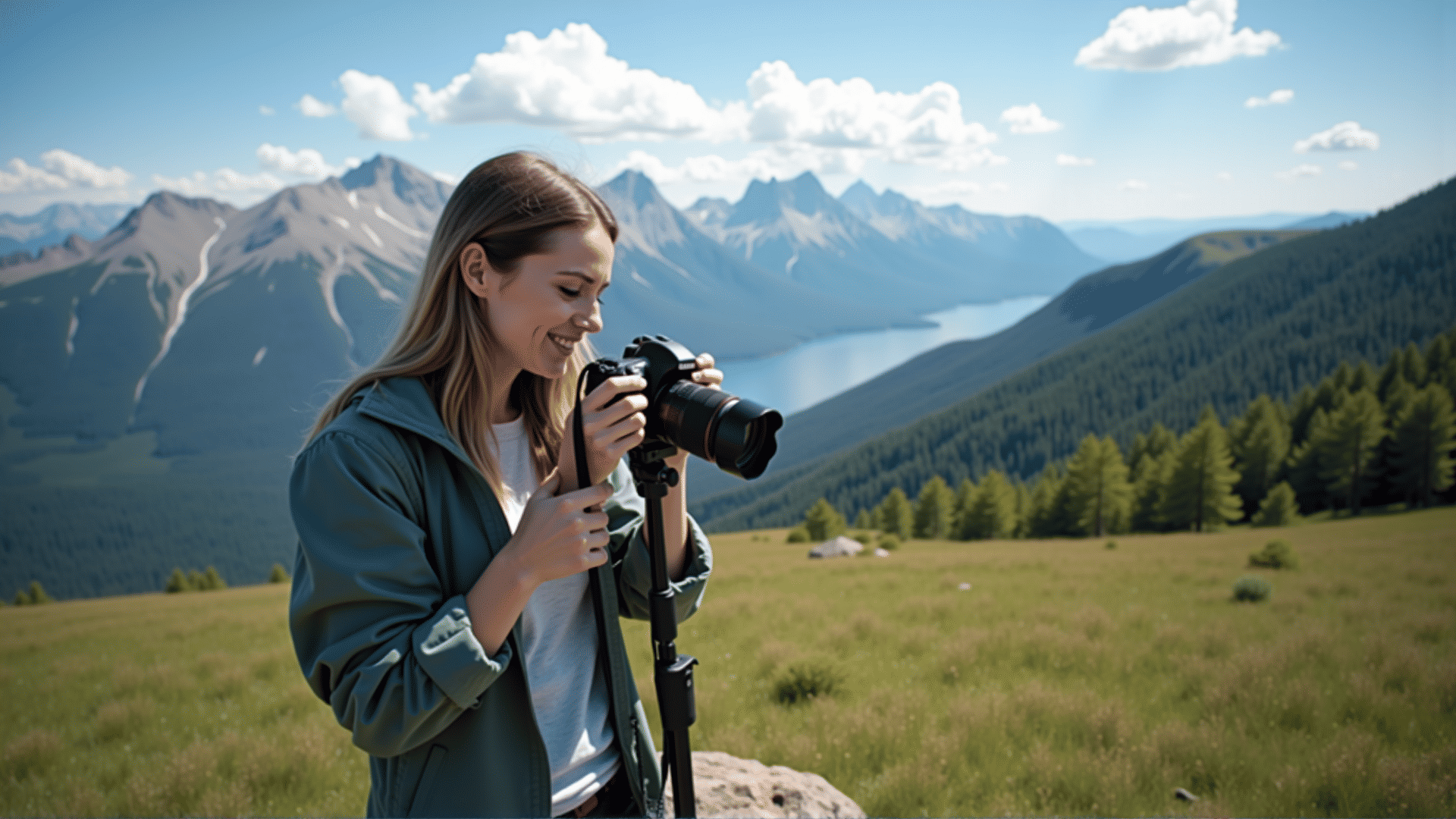
Embarking on a journey to refine your photography skills can be both exciting and rewarding. Mastering camera techniques is essential for any aspiring photographer, offering the ability to creatively capture the world through a lens. Here, we will explore a few fundamental techniques that can elevate your photography skills to breathtaking heights.
Understanding Exposure
Exposure is the cornerstone of photography. It involves balancing three primary settings: aperture, shutter speed, and ISO. Each of these elements has a significant impact on how your photograph will turn out:
-
Aperture: This controls the amount of light entering your camera. A larger aperture (smaller f-number) allows more light through, which is ideal for low-light conditions. It also provides a shallow depth of field, perfect for portraits where you want your subject in sharp focus against a blurred background.
-
Shutter Speed: This determines how long your camera's sensor is exposed to light. Faster shutter speeds can freeze motion, making them ideal for sports or wildlife photography. Slower speeds, conversely, are excellent for capturing motion blur and creating effects like smooth water in landscape shots.
-
ISO: This setting adjusts your camera's sensitivity to light. Lower ISO settings are best for bright environments, while higher ISOs come in handy in darker settings, though they can introduce noise to your image if set too high.
Compositional Techniques
Composition is how you arrange elements within your frame, and it's crucial for guiding your viewer's eye. Employing the rule of thirds, leading lines, and framing can significantly enhance the visual appeal of your photos.
-
Rule of Thirds: Divide your frame into a 3x3 grid to position the key elements off-center for a more dynamic composition.
-
Leading Lines: Use natural lines within the setting, such as roads or rivers, to guide the viewer’s gaze to the focal point of the photograph.
-
Framing: Using elements within the scene to create a frame around the subject can add depth and focus to your image.
Mastery with Light
Light is one of the most critical aspects of photography. Understanding how to use natural and artificial light sources can dramatically alter the mood and message of your photograph.
-
Golden Hour: This period shortly after sunrise and before sunset offers soft, warm lighting that enhances landscapes and portraits with gentle shadows and a golden hue.
-
Natural Light Manipulation: Learn how to utilize ambient light by considering the direction, quality, and color of light falling on your subject.
-
Artificial Lighting: When natural light is insufficient, using flash or continuous lighting effectively can help maintain the desired exposure and mood.
Practice and Patience
Developing your skills takes time and dedication. Regular practice allows you to experiment with different techniques and settings. Analyze what works and what doesn’t, and don’t hesitate to step out of your comfort zone to try new styles or subjects.
Join photography forums or groups to seek feedback and inspiration from fellow photographers. Critiques from experienced individuals can provide valuable insights and improvement opportunities.
Conclusion
Photography is both an art and a science, blending technical knowledge with creative vision. By mastering these camera techniques, you will be better equipped to capture compelling and memorable images. Continuously challenge yourself, stay curious, and most importantly, enjoy the process of creating visual stories through your lens.