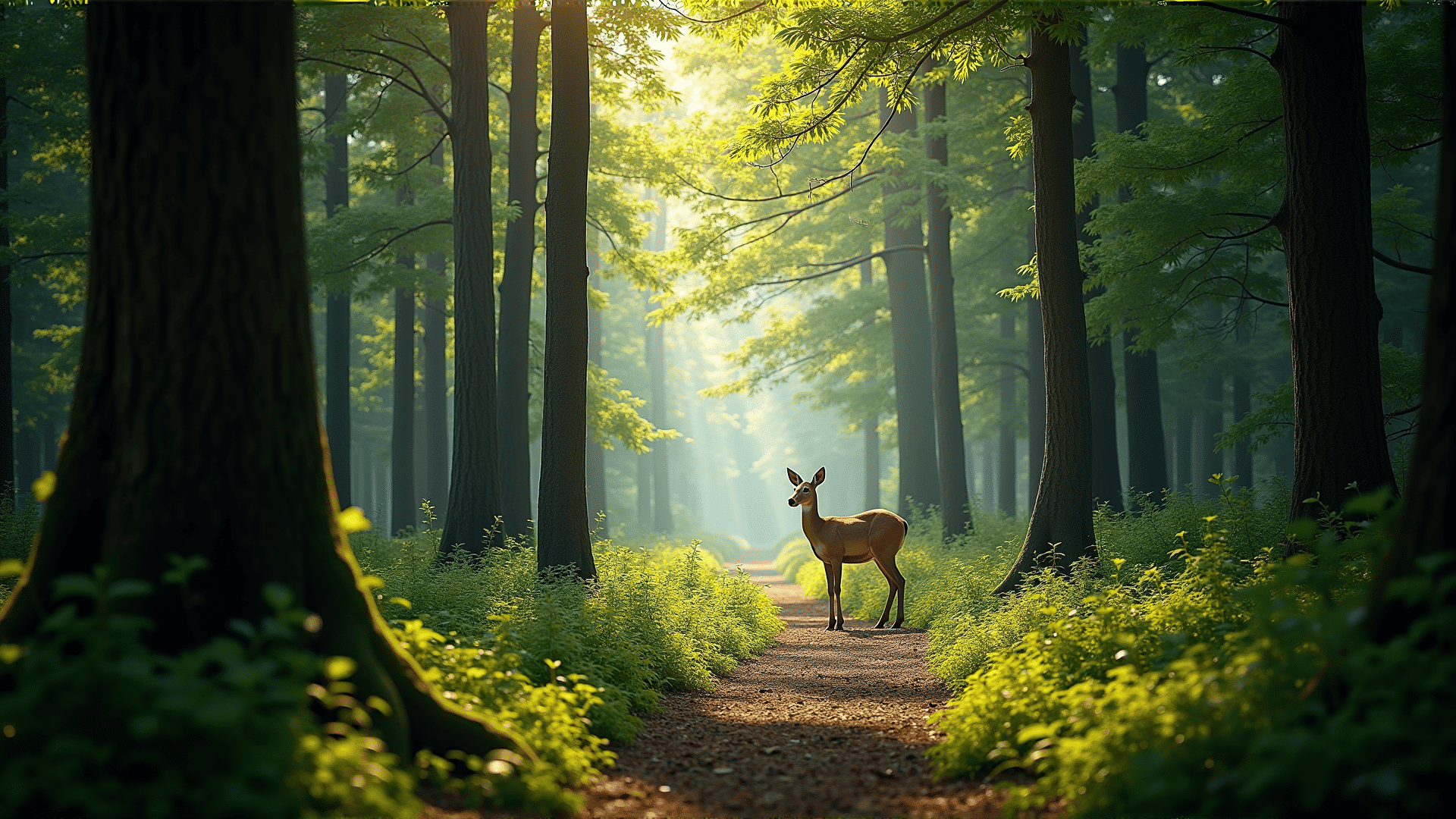
Capturing nature through photography is a pursuit that combines technical skill with an appreciation for the natural world. Whether you aim to capture breathtaking landscapes or the subtle beauty of wildlife, understanding key techniques can elevate your photography to new heights.
To begin, it is essential to understand the environment you are working with. Nature is dynamic and unpredictable, making patience a critical virtue. Observing the behavior of wildlife and the changing light in a landscape can help you anticipate the perfect moment to press the shutter. Utilize resources such as weather forecasts and maps to plan your shoots, ensuring you are in the right place at the right time.
In terms of gear, while any camera can capture stunning images, investing in quality lenses can significantly enhance your work. Wide-angle lenses are ideal for expansive landscapes, allowing you to capture depth and breadth, while telephoto lenses are perfect for wildlife photography, letting you maintain distance without losing detail.
Composition plays a pivotal role in nature photography. The rule of thirds is a classic method to create balanced and engaging shots. Aligning your subject with the guiding lines or intersection points can add interest and depth to the photograph. Additionally, leading lines, natural frames, and symmetry can draw the viewer's eye and add layers to your imagery.
Lighting is another crucial factor that influences the outcome of your images. The golden hours, which occur during the first hour after sunrise and the last hour before sunset, provide soft, diffused light that enhances colors and contrasts. However, learning to work with various lighting conditions, including harsh midday sun or low-light situations, will make you a more adaptable photographer.
Post-processing is the final touch in bringing your vision to life. Tools like Lightroom or Photoshop can be used to enhance colors, adjust exposure, and correct imperfections. Maintaining a natural look is important; over-editing can detract from the authenticity of the shot. Subtle adjustments that stay true to the scene's reality often yield the most compelling results.
Conservation awareness is woven into the fabric of nature photography. As an observer, it is crucial to respect wildlife and habitats. Practicing the leave-no-trace principle ensures that your presence does not disturb the ecosystem. By sharing your work, you can also inspire others to appreciate and protect the natural world.
Ultimately, nature photography is a rewarding journey that enhances your connection to the environment. With the right techniques and a respectful approach, you can capture moments that highlight the beauty and fragility of our planet, inspiring others to cherish and protect it.